Before the site visit
A range is honest. A number before the visit is not.
Briked can attach an indicative range to a structured scope in minutes. It stays a range, it stays yours, and only you decide whether your client ever sees it.
14 days from approval, card required, cancel before it ends. A person reads every application, usually the same day.
The question you get first
“Just give me a ballpark”
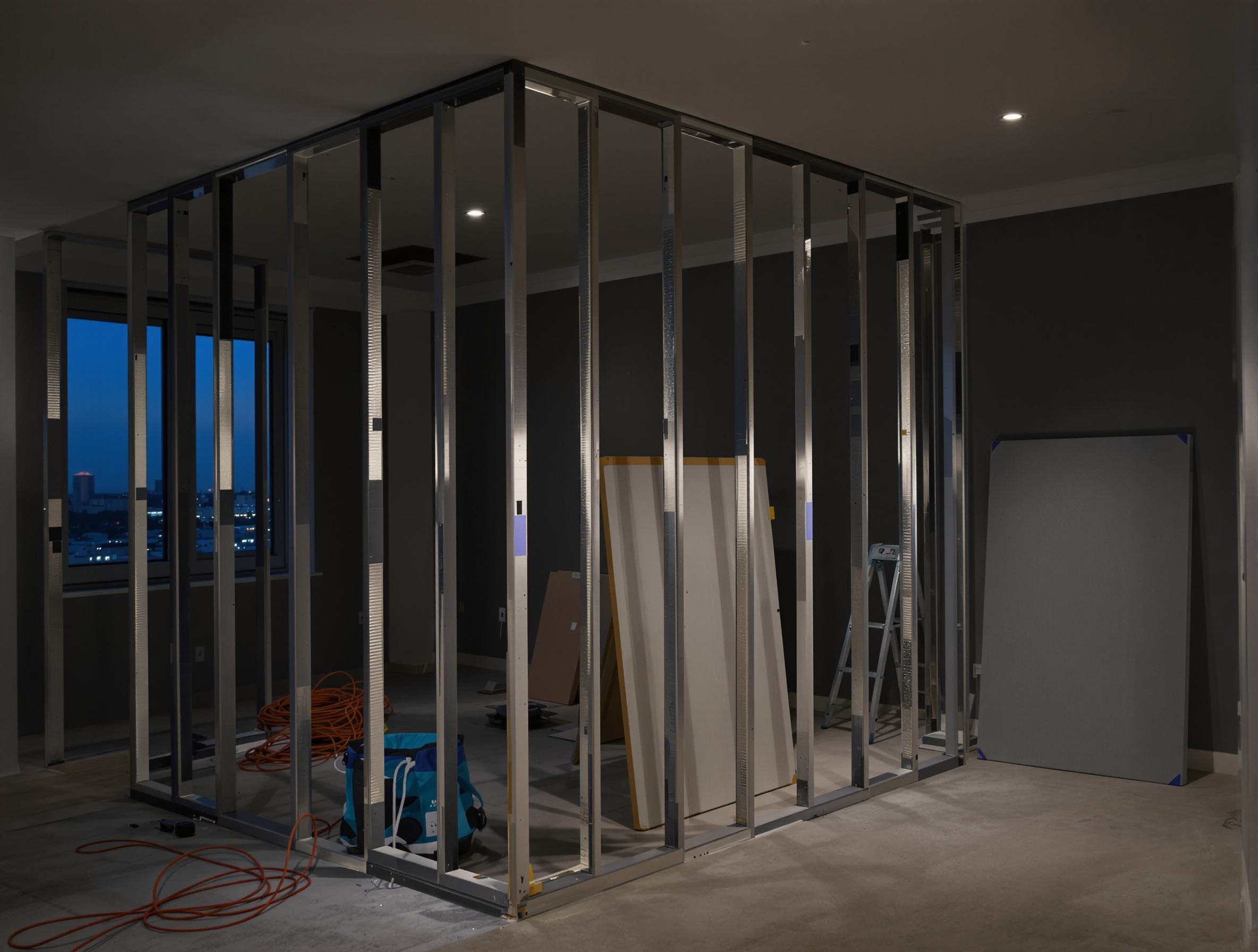
Every client asks for a number before you have seen the flat. Say a figure on the phone and it becomes the number you are held to. Refuse and you sound evasive, and they call the next contractor. The honest answer is a range with its reasons attached, and a date when it becomes a quote.
What it is
A band, its drivers, and the words “indicative range”
The range is built from the scope your client described and the rates on your own card. It arrives as a band, never a single figure, with the drivers that widen it: scope depth, MEP, finishes tier, access. It is labelled an indicative range everywhere it appears.
Villa renovation — Al Furjan
Indicative range
AED 210,000 – 340,000An indicative range is not a price. The quote you send is the price. Sample figures, ex-VAT.
What widens this band
Scope depth
Strip out to blockwork not confirmed
MEP
Riser condition unseen
Finishes tier
Client has not chosen
Access
Lift booking and working hours unknown
Your decision
It does not leave your company on its own
Nothing Briked produces reaches a client without a person on your team accepting it. If you want your client to see a range, you release it deliberately. If you would rather visit first and quote, the range stays internal and your client never knows it existed.
Before anything is shared
Draft indicative range
Built from your rate card
Reviewed by
Waiting for a person on your team
Visible to your client
No — nothing has been released
Your client sees nothing on this screen until you accept and release it.
What closes it
The site visit is what turns a range into a quote
On site you measure, you see the risers, you find the tray that has to come out. Each thing you confirm narrows the band, and the record shows what moved it. When the band is tight enough to stand behind, you price it and send a quote.
After the site visit
Before the visit
AED 210,000 – 340,000Quoted
AED 268,400Ex-VAT. Sample figures.
Two bathrooms measured
Client-reported 14 m² · measured 17.2 m²
Riser opened
No diversion needed
Finishes tier chosen
Tier 2 confirmed on site
One moment, two views
The indicative range is shared
You decide, before anything is shared, whether the indicative range goes out at all. When it does, it is labelled for what it is.
Indicative range
AED 210,000 – 340,000This is a range, not a price, and it is ex-VAT. Al Noor Interiors will visit and send you a quote.
Keep internal
Visit first, quote after
Release the indicative range
Labelled indicative, with your name on it
What Briked records
Which scope, which rates, which day
Every range keeps the scope version it was built from, the rates it used and the moment it was produced. A range from last month does not quietly become this month’s number: the record carries the date, and the quote you eventually send stands on its own.
General notes
An indicative range is a range, not a price. Only the quote you send your client is a price.
A person accepts every number before it leaves your company. Nothing drafted by AI becomes the record on its own.
Your client never pays for Briked. Answering your scope link, reading your quote and accepting it are free for them, always.
Your rates, your scopes and your clients stay yours. We never show one contractor’s work to another. Read the data promise
The trial runs 14 days from the day we approve your application. A card is required to start it. Trial terms
Common questions
Is an indicative range a quote?
No. A range is a range. The only price in Briked is the quote you review and send.
Where do the numbers come from?
Your own rate card, applied to the scope your client described. Briked never prices your work from another contractor’s rates.
Does my client see it automatically?
Only if you release it. Nothing reaches your client without a person on your team accepting it first.
What if the range turns out to be wrong after the visit?
That is what the range and the visit are for. You quote what you measured, and the earlier band stays on the record as what was known then.
Can I switch it off entirely?
Yes. You can work visit-first and never produce a range at all — the loop runs scope, visit, quote, contract without it.
Does Briked show my rates to anyone else?
No. Your rates and your scopes stay in your company. We never show one contractor’s work to another.
Scope it, quote it, get it accepted — on your next job, with your rates.
14 days from approval, card required, cancel before it ends. A person reads every application, usually the same day.